
Why Do We Have Period Cramps?
May 19th, 2026 by admin
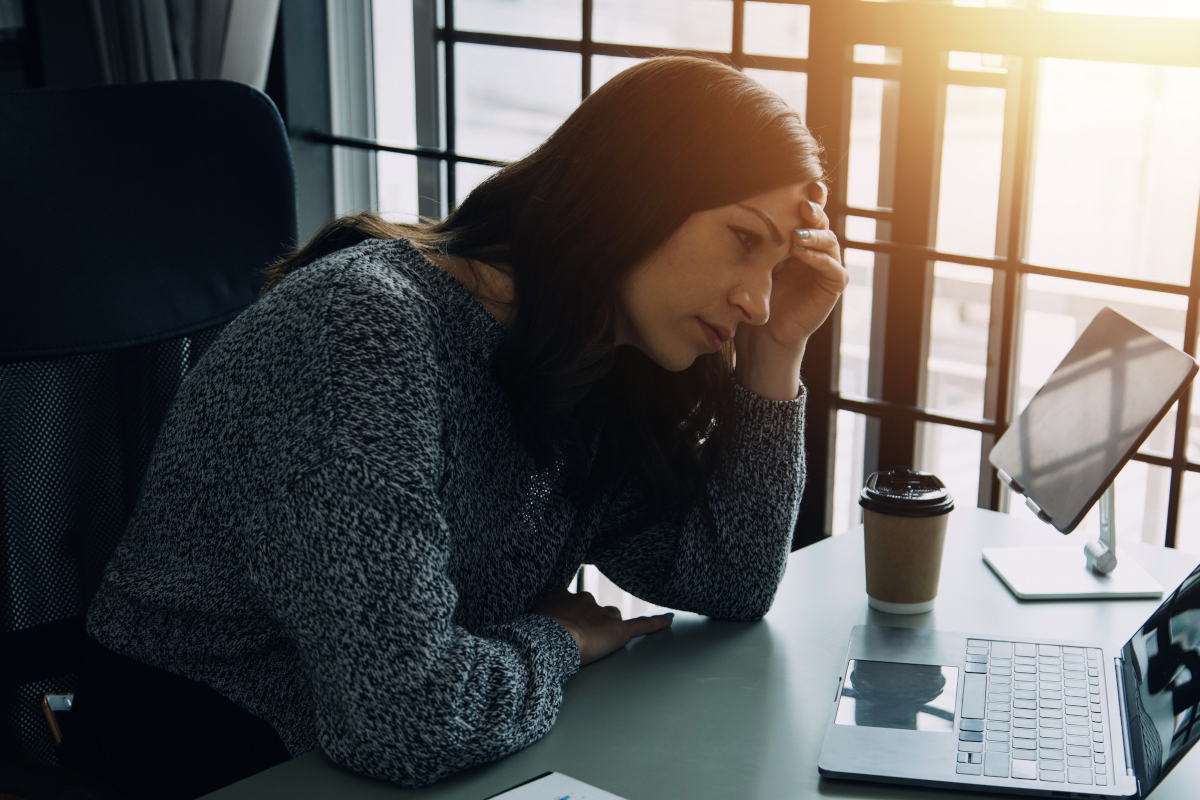
Every month, women have periods, which happen when the body prepares for a baby, but no pregnancy occurs. The reason women bleed is because of the uterus shedding its lining (endometrium). The lining essentially functions as a nest for a baby. While periods are different for everyone, many women experience painful cramps throughout the duration of their periods. But why do these cramps occur? There are many different answers for this question, but the most common reasons women experience are: PMS, primary dysmenorrhea, and secondary dysmenorrhea.
PMS, or premenstrual syndrome, are symptoms that women experience before their period actually happens. Symptoms could include: bloating, diarrhea, cramps, headaches, and even light/noise sensitivity. Around 3 in 4 women experience PMS, but the intensity and duration of symptoms vary for everyone. PMS goes away when the period does– if you go through menopause or go on birth control, then you won’t have any premenstrual symptoms. PMS can also impact someone mentally– many women feel fatigued, depressed, or have a change in appetite around the time of their period. These symptoms can drastically affect someone’s daily routines, so it’s important to seek proper treatment. Treatments for PMS don’t necessarily have to be medicine– changing your diet, getting more sleep, and finding ways to cope with sadness, stress, and/or anxiety, can help with PMS. Other treatments include pain relievers, birth control, and antidepressants.
Dysmenorrhea is defined as pain during a woman’s menstrual cycle. Primary and secondary dysmenorrhea have different causes, but both can greatly impact a woman’s quality of life during her period. Symptoms of dysmenorrhea include: pain in the lower abdomen, headaches, nausea, and dizziness.
Primary dysmenorrhea is found to be the most common type of period pain in women. It is not caused by another condition. During your period, your uterus produces prostaglandins, which are substances similar to hormones that affect bodily functions, like uterine contractions and inflammation. The prostaglandins cause the muscles in your uterus to relax and compress, leading to painful cramps around the abdomen. These cramps can last for a while; in some women, cramps last for multiple days, but in others they don’t.
Secondary dysmenorrhea is period pain caused by another condition. It is less common in women, but the pain can last much longer and be more severe. Secondary dysmenorrhea is often caused by things like endometriosis, fibroma, or pelvic inflammatory disease.
Treatment for dysmenorrhea is different for everyone, as everyone’s period is different. Treatments can vary based on how much pain you’re in, the cause of pain, medical history, and age. Different treatments include: heating pads on the abdomen, hormone treatments, anti-inflammatory medications (ibuprofen, aspirin, etc.), pain relievers, different procedures done to the uterus, and birth control.
If you are showing symptoms of dysmenorrhea, PMS, or if your period is impacting how you go about your day-to-day life, then it is always good to get an opinion from your doctor or school nurse on how to go forward. It’s important to know that there is always someone that can help you, and that you’re not alone!
Works Cited
- Cleveland Clinic. "Prostaglandins." Cleveland Clinic, 2022, my.clevelandclinic.org/health/articles/24411-prostaglandins. Accessed 4 Mar. 2026.
- ---. "What Is Dysmenorrhea / Menstrual Cramps | Cleveland Clinic: Health Library." Cleveland Clinic, 20 Nov. 2020, my.clevelandclinic.org/health/diseases/4148-dysmenorrhea. Accessed 4 Mar. 2026.
- "Fibroma: Symptoms, Causes & Treatment." Cleveland Clinic, 12 Aug. 2022, my.clevelandclinic.org/health/diseases/23991-fibroma. Accessed 10 Mar. 2026.
- Harada, Tasuku. "Dysmenorrhea and Endometriosis in Young Women." Yonago Acta Medica, vol. 56, no. 4, 28 Nov. 2013, p. 81, pmc.ncbi.nlm.nih.gov/articles/PMC3935015/. Accessed 4 Mar. 2026.
- Jennings, Lindsey, and Diann Krywko. "Pelvic Inflammatory Disease." National Library of Medicine, StatPearls Publishing, 13 Mar. 2023, www.ncbi.nlm.nih.gov/books/NBK499959/. Accessed 10 Mar. 2026.
- John Hopkins Medicine. "Dysmenorrhea." John Hopkins Medicine, 2019, www.hopkinsmedicine.org/health/conditions-and-diseases/dysmenorrhea. Accessed 4 Mar. 2026.
- Office on Women's Health. "Premenstrual Syndrome (PMS) | Office on Women's Health." OASH | Office on Women's Health, 2015, womenshealth.gov/menstrual-cycle/premenstrual-syndrome. Accessed 10 Mar. 2026.
- "Period Pain." Medlineplus.gov, National Library of Medicine, 2019, medlineplus.gov/periodpain.html. Accessed 4 Mar. 2026.
- World Health Organization. "Endometriosis." World Health Organization, World Health Organization, 2023, www.who.int/news-room/fact-sheets/detail/endometriosis. Accessed 10 Mar. 2026.